|
Featured in: |
 |
 |
 |
 |
 |
I'm going to guide you step-by-step throughout your premed years so you can happily walk across the stage to loud applause from family and friends as the Dean calls your name to receive your White Coat.
Imagine that.
Seriously, getting into medical school is not easy but it's entirely possible.
I've been in your shoes and understand the feeling of not knowing your chances. Pouring over all the blogs, lurking in forums and trying to uncover every secret to better your chances of getting a medical school acceptance.
You can kiss those days goodbye when you join my free newsletter, "Premed Grand Rounds" where I'll put your premed years on autopilot with my roadmap to medical school.
You'll never have to think twice about what comes next or what you should be doing as a premed student.
Go ahead jump on that.
Here's What I Have for You
A clear path to medical school.
Everyone is always concerned about their stats and I got you covered here. Plenty of tips and advice you can use to see your GPA skyrocket.
Oh and that pesky test called the MCAT, no worries, I have a proven system so you'll do just fine.
Lots of students ask about ECs and yes you can volunteer at the hospital but it's not the best use of your time. AdComs know you're not doing much there so might as well cross this off the list of activities.
Did you know?
You can write your way to medical school? I kid you not.
After your MCAT and GPA the most important factor for getting into medical school is your Personal Statement.
Quick tip: no one wants to read about your activities or how you want to be like Dr. Jones, yawn... we see this all the time. Tell us about you. What makes you special, what drives you, what motivates you. Of course, the more personal you are the better.
Over 16,000 Premed Visitors Each Month
Here's what a few of them have to say about DoctorPremed
|
I have beyond a doubt benefited from your advice, suggestions and your consistent motivation towards my approach to medical school. -Neel, Med School Advising |
You have helped me tremendously with my Personal Statement and on my journey as a premed student. I wish I would have known about your website earlier, but I am glad I found out about it before this application cycle. Thank you for taking the time to help students that hope to be in your place in the future. -Navedeep, Med School Advising |
Let Me Introduce Myself
Hi,
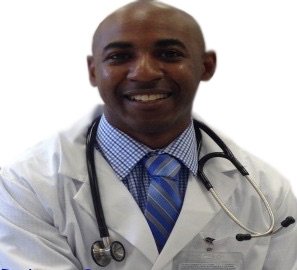
I'm Jason, a 4th year medical student in New York City. By following my advice you'll dramatically improve your odds of getting into medical school.
Why.
Former President of the Premedical Society at Northwestern University (Evanston, IL). Through this position became friends with AdComs from the top medical schools across the country so you're in for a real treat.
What I share with you isn't just made up, "Oh, this worked for me, so I guess it will work for you."
Nope.
You're getting the best of the best. I'm giving you access to my premed dream team:
- AdComs
- Doctors
- Medical Students
- Pre-health Advisors
- Professors
Trust me, these are the people you want.
Do me a big favor will ya?
Be sure you're all signed up to receive my FREE Premed Grand Rounds newsletter because that's were the fun happens.